
German Shepherd
The German Shepherd has been one of the well-known and admired dogs in the world. This breed is reputed to be great in strength, intelligence, and versatility, a fact that has seen it being an outstanding working dog and a great companion in the family. This is the detailed breed information of the German Shepherd Dog, covering size, energy, trainability, friendliness to the family, guarding nature, type of coat, life span, and suitability to first time dog owners.
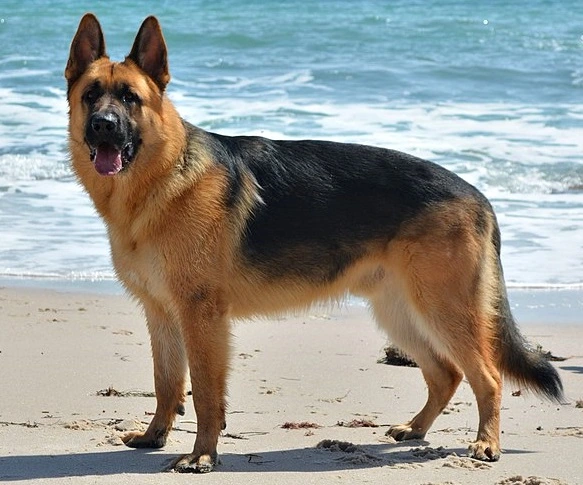
Overview of the German Shepherd
German shepherd was started in Germany during the late 19 th century, as a herding and livestock guard dog. As time went by, its extraordinary intelligence and versatility saw it gain extensive popularity in police work, military service, search and rescue, therapy applications and competitive dog sports. The German Shepherd today is appreciated not only as a working dog but also as a loyal and close companion to the family.
Size and Physical Build
German shepherds are a large breed of dogs that are strong and athletic. The weight of adult males is normally 65 to 90 pounds and female is 50 to 70 pounds. Their height varies between 22 to 26 inches (shoulder).
The agility, endurance and overall strength of the breed are a result of its size and the proportions of various parts. A German shepherd is a well-bred dog that sits in a confident posture with a strong chest, well-developed muscles, and this enables it to carry out strenuous physical activities effectively.
Strength and Endurance
One of the characteristic features of German Shepherd is strength. The breed is muscular and a strong breed that can make long periods of physical activity. The German shepherds are usually used in duties that demand physical power and stamina like in work of protection or search and rescue missions.
Their power must be taken care of in a responsible manner by engaging in systematic workouts, training, and mind stimulation. German Shepherds can also develop frustration or boredom related behavioral problems because of the lack of proper outlets to exercise their physical capabilities.
Intelligence and Trainability
German Shepherds are generally classified as being one of the most intelligent breed of dogs. Their capacity to learn commands very fast, store information and use skills in solving problems is an aspect that makes them stand out among most other breeds.
The German Shepherd has a significant benefit in terms of trainability. They respond remarkably to positive reinforcement training on a regular basis. This breed performs better when they have a set of rules, a set of routines, and aim. German shepherds are also good in advanced obedience training, agility, tracking, and protection sports.
They need their minds to be stimulated as much as their bodies need to be exercised, due to intelligence. Puzzle toys, high level commands, and tasks activities are needed to maintain their minds active.
Energy Level and Exercise Needs
German shepherd has a high intensity and needs to be physically active. The majority of adults should exercise at least one or two hours on a daily basis. These may be brisk walking, running, hiking, organized playing or training.
Bad physical activity may result in irritability, destructive conduct or even anxiety. The breed is well adapted to people who are active or families that can adhere to practices and routines outside the house.
Family Friendliness and Temperament
German shepherds are very family-friendly dogs when they are well-trained and socialized. They are reputed to be highly attached to their owners and they tend to be particularly guardian of children at home. They are good companions as they are loyal and attentive, yet early socialization is essential.
German Shepherds are shy of strangers, and this is rather natural than aggressive. Through appropriate counseling, they will be able to differentiate between normal and actual threats in social situations.
Guarding and Protective Instincts
Another characteristic of the German shepherd is guarding. The breed is an excellent watchdog and guard dog since, it has a natural instinct of protecting its family and territory.
German Shepherds depend on intelligence and judgment in evaluating circumstances unlike the breeds that rely on aggression only. The training should be done properly to make sure that there is control, appropriateness, and reliability of guarding behaviors. A command trained German Shepherd is secure and social as opposed to overreactive and terrified.
German Shepherd Double Coat
The German shepherd double coat is one of the most distinguishing physical characteristics of the breed. It is a coated dog whose coat is made up of a thick undercoat and a grosser outer coating that shields the dog against the harsh weather.
She sheds her double coat once a year, and more so once every season. To control shedding and keep the coat healthy, it is required to brush regularly. Some people think that a German Shepherd should not be shaved; however, that is not the case because the two-coat layer is used to maintain a normal body temperature.
German Shepherd Coat Colors: Black and white German Shepherds
The black German Shepherd is very black in color and is identical to the normal colored German Shepherds in both genetic makeup and appearance. There is just a difference in pigmentation, but not temperament or ability.
A palace or white German shepherd is a white or pale breed and it is due to a recessive gene. The white German shepherds are neither albinos nor do they have any behavioral differences with other German shepherds contrary to myth. They are however, differentiated by some kennel clubs to be used in the show.
The black and the white German Shepherds have not lost their intelligence, strength and trainability compared to other color variations.
German shepherd Lifespan and health
An average German shepherd has a lifespan of 7 to 10 years although some of them can live much longer under good care. Similar to most of the large breeds, they are susceptible to some genetic and structural illnesses.
Typical ailments are hip and elbow dysplasia, degenerative myelopathy, digestive problems and bloat. Quality of life can be greatly enhanced by responsible breeding, regular veterinary checkups, good nutrition and a healthy weight.
Suitability for Beginners
Depending on the lifestyle of the individual owner, his or her dedication and readiness to study the suitability is what determines the level of success in the beginners. German shepherds are not generally suggested to individuals who are first time buyers of a dog and want to have a pet that requires minimal care.
Their energy and high level of intelligence are accompanied with the need to keep training them regularly and this may overwhelm little experienced owners.
German Shepherd Mix Breed Dogs (Complete List & Names)
| German Shepherd Mixed With | Mix Breed Name |
|---|---|
| Airedale Terrier | Airedale Shepherd |
| Akita | Akita Shepherd |
| Alaskan Husky | Alaskan Husky Shepherd |
| Alaskan Malamute | Alaskan Shepherd |
| American Bulldog | American Bulldog Shepherd |
| American Eskimo Dog | Eskimo Shepherd |
| Anatolian Shepherd | German Anatolian Shepherd |
| Australian Cattle Dog | Cattle Shepherd |
| Australian Kelpie | Kelpie Shepherd |
| Australian Shepherd | German Australian Shepherd |
| Australian Shepherd × Schipperke | Schipper Geraussie Shepherd |
| Basset Hound | Basset Shepherd |
| Beagle | Beagle Shepherd |
| Belgian Malinois | German Malinois (Malinois X) |
| Belgian Shepherd | German Groenendael |
| Belgian Tervuren | Tervard |
| Bernese Mountain Dog | Euro Mountain Sheparnese |
| Border Collie | Border Shepherd |
| Boxer | Boxer Shepherd |
| Bullmastiff | Bullmastiff Shepherd |
| Chow Chow | Chow Shepherd |
| Collie | Shollie |
| Corgi | Corman Shepherd |
| Doberman Pinscher | Doberman Shepherd |
| French Bulldog | Frenchie Shepherd |
| Golden Retriever | Golden Shepherd |
| Labrador Retriever | German Sheprador |
| Pug | Shug |
| Siberian Husky | Gerberian Shepsky |
| Standard Poodle | Shepadoodle |
| Rottweiler | Rottie Shepherd |
| Shih Tzu | Shepherd Tzu |
| Yorkshire Terrier | German Yorkie Shepherd |
Major Kennel Clubs Recognizing the German Shepherd
| Abbreviation | Full Form |
|---|---|
| ACA | American Canine Association, Inc. |
| ACR | American Canine Registry |
| AKC | American Kennel Club |
| ANKC | Australian National Kennel Club |
| APRI | American Pet Registry, Inc. |
| CKC (Canada) | Canadian Kennel Club |
| CKC (US) | Continental Kennel Club |
| DRA | Dog Registry of America, Inc. |
| FCI | Fédération Cynologique Internationale |
| GSDCA | German Shepherd Dog Club of America |
| KCGB | Kennel Club of Great Britain |
| NAPR | North American Purebred Registry, Inc. |
| NKC | National Kennel Club |
| NZKC | New Zealand Kennel Club |
| UKC | United Kennel Club |